
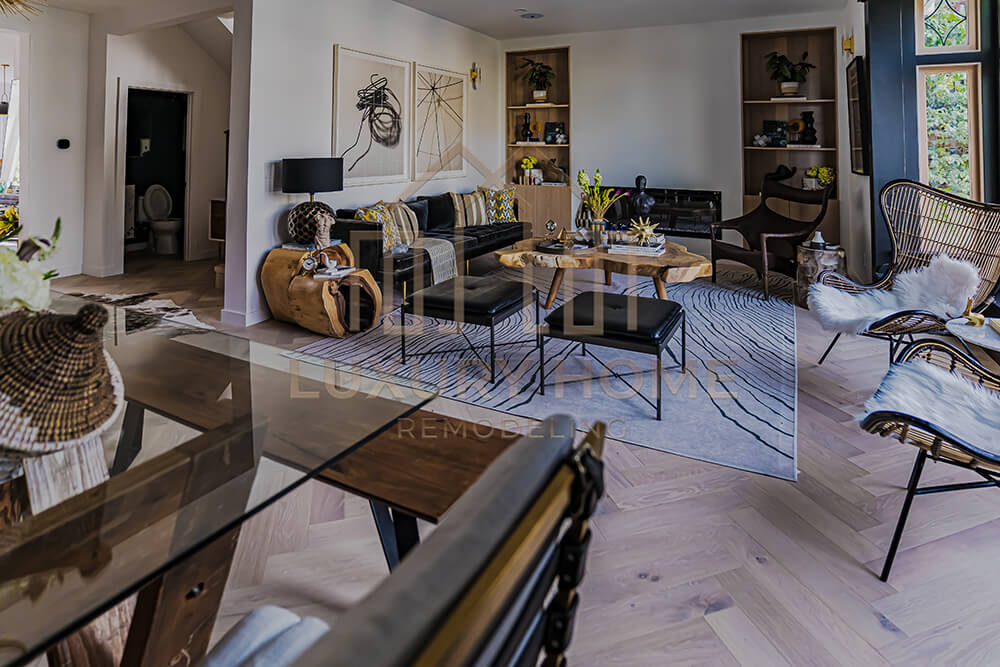
Tile Selection Guide helps homeowners compare remodeling options before a consultation with Luxury Home Remodeling. This page focuses on planning bathroom remodeling with clear scope, materials, budget decisions, and contractor communication.
What This Page Covers
Educational planning page for tile selection guide with clear consultation next steps.
Planning Decisions
- Define the rooms, finishes, fixtures, and construction scope before requesting a proposal.
- Review permit, inspection, access, and scheduling questions early in the planning process.
- Separate must-have upgrades from optional design ideas so the project can be scoped clearly.
- Keep allowances, selections, and change requests documented before construction decisions are made.
Consultation Questions
- What existing conditions should be photographed or measured before the first consultation?
- Which materials, layout changes, or specialty trades may affect the project scope?
- What decisions should the homeowner make before comparing proposal options?
- Which related pages should be reviewed before finalizing the plan?
Related Remodeling Topics
- Luxury Bathroom Remodeling Design Build
- Primary Bathroom Suite Remodeling
- Walk In Shower Remodeling
- Bathroom Vanity and Storage Remodeling
Request A Consultation
Prepare photos, measurements, inspiration images, and questions about your remodeling goals. Luxury Home Remodeling can discuss design direction, project scope, and construction planning based on verified project facts.
Choosing the Right Tile for Your Remodel
The right tile balances four things: the material, the room it lives in, and the size, finish, and grout that tie the space together. Get those decisions in the right order and your kitchen or bathroom will look custom and hold up for decades.
Tile materials: matching the tile to the space
The material shapes how a tile looks, how long it lasts, and how much upkeep it needs. Four families cover nearly every remodel:
- Porcelain is fired hotter and denser than ceramic and absorbs 0.5% water or less, so it suits floors, showers, and outdoor use. Look for a PEI wear rating of 3 or higher on floors (the PEI abrasion scale runs 0-5). Typical cost tier: mid to premium.
- Ceramic absorbs more water and is softer, making it easier to cut and well suited to walls and backsplashes, though it chips more easily than porcelain. Typical cost tier: budget to mid.
- Natural stone (marble, travertine, slate) offers depth no manufactured tile fully copies, but it is porous and needs periodic sealing. Marble is soft and acid-sensitive and can etch from citrus or wine; slate's cleft texture gives natural slip resistance. Typical cost tier: mid to premium.
- Glass and mosaic tiles are nonporous, reflective, and stain-resistant, favored for backsplashes and accents; small mosaics add grout lines that improve grip on shower floors. Typical cost tier: mid to premium.
Modern printing also lets porcelain convincingly mimic wood or marble, giving you the look you want with porcelain's durability and easy care.
Tile by room: matching tile to the job
Tile is not interchangeable from one surface to the next. A backsplash tile can be dangerous underfoot, so match each tile to its job by traffic, moisture, and slip risk.
- Bathroom floors need traction. Look for a dynamic coefficient of friction (DCOF) of at least 0.42 for level interior floors that get wet, and favor matte or textured finishes over polished ones.
- Shower floors perform best with small mosaic tiles (about 2 inches or smaller); the extra grout lines add grip and the small pieces conform to the slope toward the drain.
- Shower and tub walls can use larger, glossier tile that wipes clean, paired with a waterproofed niche. A curbless entry is a popular accessible upgrade.
- Kitchen floors take heavy traffic and dropped pans, so choose porcelain rated PEI Class 3 or higher with a slip-resistant finish.
- Kitchen backsplashes are never walked on, so looks and cleanability lead; behind the range, a stain-resistant or epoxy grout shrugs off grease.
Remember that floor-rated tile can go on walls, but many wall tiles carry no PEI or DCOF rating and should never go on a floor. For homes with children or older adults, prioritize higher-DCOF matte floor tile, small shower-floor tiles, and wall blocking for future grab bars.
Size, finish, grout, and maintenance
Once the material is set, the details decide the finished look and the upkeep:
- Size: Large-format tile (at least one edge 15 inches or longer) means fewer grout lines and a cleaner look, but it demands a very flat substrate to avoid lippage (uneven edges). Versatile field sizes like 12"x24" and 24"x24" work on floors and walls.
- Finish: Polished tile reflects light but shows spots and can be slick when wet; matte or honed finishes hide smudges and grip better, the safer pick for wet areas.
- Grout: Use unsanded grout for narrow joints (1/16"-1/8") and delicate surfaces like glass, and sanded grout for wider joints. Epoxy grout resists stains and water without sealing.
- Grout color: Match the tile for a seamless look or contrast it to highlight the pattern; on floors, a mid-tone shade hides everyday dirt better than bright white.
- Maintenance: Glazed porcelain and ceramic are nonporous and need only routine cleaning, while natural stone and cement-based grout should be sealed periodically.
Frequently Asked Questions
Is porcelain or ceramic tile better for a bathroom floor?
Porcelain is the stronger choice for bathroom and shower floors because it absorbs very little water (0.5% or less) and stands up to moisture, while ceramic is better kept to walls. For any floor, look for a PEI wear rating of 3 or higher, and for wet areas choose a slip-resistant finish, with a DCOF of 0.42 or above as the general benchmark.
Do natural stone tiles need special maintenance?
Yes. Marble, travertine, and slate are porous, so they should be sealed after installation and resealed periodically, typically every year or two depending on the stone and traffic. Wipe up spills promptly, especially acidic ones like citrus or wine on marble, which can etch the surface. If you want the look with less upkeep, marble-look porcelain is a durable, low-maintenance alternative.
What tile is safest for a shower floor or a home with older adults?
Choose slip-resistant tile with a DCOF of at least 0.42 in a matte or textured finish, and use small mosaic tiles on the shower pan for extra traction. For aging in place, a curbless shower entry, matte floor tile, and wall blocking for future grab bars all add safety without sacrificing style.
Can I use the same tile on my bathroom floor and shower walls?
You can, but only if the tile is floor-rated. Floor tile can safely go on walls, while many wall tiles lack the slip (DCOF) and wear (PEI) ratings a floor needs, so check the manufacturer's ratings first. On the shower floor specifically, smaller mosaic tile usually grips better and follows the slope toward the drain.
Should my grout match or contrast with the tile?
Both work; it comes down to the effect you want. Matching grout creates a soft, seamless look that makes a space feel larger, while contrasting grout emphasizes each tile's shape and shows off patterns like subway or geometric layouts. One practical tip: on floors, avoid bright white grout, since a mid-tone shade hides everyday dirt and wear far better.
What size tile is best for a small bathroom?
There is no single rule, but larger tiles with fewer grout lines can make a small bathroom feel more open and are easier to clean, so many designs favor them on walls and floors. The exception is the shower floor, where smaller mosaic tiles are preferred because the extra grout lines add slip resistance and follow the slope toward the drain.
Still weighing your options? The Luxury Home Remodeling team can help you compare materials, finishes, sizes, and slip ratings side by side so your tile fits both your style and how your household actually uses the space. Call (408) 889-8115 to schedule a consultation and talk through your kitchen or bathroom remodel.