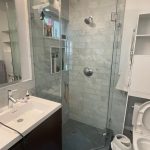
Embarking on the custom home building journey is an exciting adventure. It offers the chance to create a space that truly reflects your lifestyle and preferences.
Understanding the custom home building process is crucial for a successful project. From initial design to final construction, each step requires careful planning and attention to detail.
The journey begins with defining your vision and setting clear goals. This foundation guides every decision, ensuring your dream home becomes a reality.
Choosing the right team and location are pivotal steps. They influence the design, construction, and overall success of your custom home.
With patience and the right guidance, building your home can be a rewarding experience.
Defining Your Vision and Setting Goals
The first step in the custom home building process is to define your vision. This means imagining what you want your perfect home to look and feel like. Consider aspects like size, style, and functionality.
Identify the must-haves and nice-to-haves for your new home. Make a list to prioritize these features. Consider lifestyle aspects such as:
- Number of bedrooms and bathrooms
- Open plan or separate rooms
- Energy efficiency features
- Outdoor living spaces
Once you've identified your vision, set clear goals to achieve it. Goals should include budget constraints and timeline expectations. Both are critical for guiding the project from start to finish.
Communicating your vision and goals to your home building team ensures everyone is on the same page. This understanding helps in creating a home tailored to your unique needs. After all, designing a custom home is about making your dream a reality.
Choosing the Right Location and Lot
Choosing the right location is vital in the custom home building process. The site affects resale value, lifestyle, and long-term satisfaction. Begin by evaluating the neighborhood and amenities. Consider proximity to work, schools, and shopping centers.
The lot size and orientation influence the home's design and functionality. Key factors to consider include:
- Accessibility and infrastructure
- Zoning laws and restrictions
- Sunlight exposure and natural views
- Potential for future expansion
Research the area's soil condition and drainage. These factors impact foundation stability and landscaping options. Proper evaluation helps avoid unexpected challenges during construction.
Selecting the perfect lot allows you to design a home that maximizes site advantages. Work closely with your architect or designer to incorporate these into the custom home design process. This collaboration ensures your home fits well within its environment, enhancing your living experience.
Assembling Your Custom Home Team
The success of building your home depends on assembling the right team. Engaging skilled professionals ensures your vision becomes reality. Start by selecting a reputable architect or designer who understands your needs.
Next, hire a builder with a proven track record in custom home projects. Their experience is invaluable for meeting deadlines and maintaining quality. Communicate your expectations clearly to prevent misunderstandings.
Here's a list of essential team members:
- Architect or designer
- General contractor or builder
- Interior designer
- Engineers (structural, mechanical, etc.)
Collaboration is key in this process. Regular meetings and updates help address issues promptly. Each team member plays a critical role in translating the custom home design process into a tangible, beautiful home.
Budgeting and Securing Financing
Budgeting is a crucial part of the custom home building process. Start by outlining estimated costs for each phase of the project. Consider construction, design, permits, and unexpected expenses to avoid surprises later.
Securing financing early helps streamline the process. Many homeowners rely on construction loans, which differ from standard mortgages. Consult with lenders to explore your options and understand loan terms thoroughly.
Here's a list of steps to budget and secure financing:
- Estimate total project costs
- Consult with financial advisors
- Explore construction loan options
- Plan for contingency funds
Having a detailed budget and secure finances reduces stress during construction. It allows you to focus more on the design and enjoy the custom home journey. Work closely with your financial planner and builder to ensure all financial goals align with your vision.
The Custom Home Design Process
The custom home design process is where creativity meets practicality. Designing a custom home involves detailed planning to ensure the final product meets your expectations. It's essential to work with experienced architects or designers who can translate your vision into reality.
The process often starts with sketches and rough drafts. This allows you to explore various layouts and styles before settling on a final design. Your team will refine these ideas into detailed plans, including floor plans and elevations.
Two key elements to consider:
- Spatial layout: Ensuring the flow of rooms and functionality
- Aesthetic preferences: Selecting architectural styles and finishes
In this phase, it's vital to make decisions on key elements such as windows, doors, and even roofing materials. Consider sustainability and energy efficiency as part of the design to ensure long-term benefits.
Critical decisions include:
- Choice of materials: Sustainable options and design elements
- Fixtures and finishes: Aligning with personal taste and lifestyle
The custom home design process is collaborative, requiring input and communication between you and your team to ensure every detail aligns with your vision. Working through this phase diligently sets the foundation for a successful build and a home that truly reflects your lifestyle.
Permits, Approvals, and Pre-Construction Planning
Securing permits and approvals is a crucial step in the custom home building process. Before construction begins, it's essential to navigate local regulations and zoning laws. This ensures your home complies with building codes.
Pre-construction planning also involves coordination with local authorities. You may need to address environmental concerns and site-specific requirements. This phase ensures you're prepared for any compliance issues that could arise.
Key aspects of this phase:
- Obtaining building permits
- Zoning approvals
- Environmental assessments
By diligently managing this phase, you lay the groundwork for a smooth construction process. Proper planning helps avoid delays and ensures your project remains on schedule.
Construction Phase: Step-by-Step Overview
The construction phase begins with site preparation and foundation work. This involves clearing the land and preparing the soil. Once completed, it's time to lay the foundation, which is crucial for structural stability.
Next comes the framing stage, where walls and roof structures start to take shape. This part of the custom home building process defines the home's basic layout. It's an exciting phase as you'll finally see the outline of your future home.
Once framing is complete, it's time for the installation of essential systems. Plumbing, electrical, and HVAC systems are installed during this stage. It's important that all systems align with the home design process from earlier.
Key steps in this phase include:
- Site preparation and foundation
- Framing and basic structure
- Installation of systems (plumbing, electrical, HVAC)
The home exterior, including roofing and windows, follows the systems installation. Proper roofing and window installation protects from weather and helps with energy efficiency.
Site visits during the construction phase ensure quality control. Regular checks confirm adherence to plans and uncover any issues early. Staying involved during this phase keeps you informed and involved.
Interior Finishes, Fixtures, and Personalization
As your custom home takes shape, focus on interior finishes and fixtures. This stage reflects your personal style and preferences. It's an opportunity to add unique touches that make the space feel like home.
Selecting items like cabinetry, countertops, and flooring involves thoughtful choices. These selections should align with your vision and functionality goals. The color schemes and materials you choose will define the atmosphere and feel of each room.
Consider these elements during this stage:
- Flooring and tile choices
- Cabinetry and countertop materials
- Lighting fixtures and paint colors
Customization allows you to create a space that is truly yours. This final stage of the custom home building process is rewarding, offering a personalized living environment.
Final Inspections, Walkthrough, and Move-In
Before you move in, final inspections ensure everything is up to code. It's crucial these inspections confirm safety and quality standards are met. This step brings peace of mind, knowing your home is built to last.
During the walkthrough, review every detail to confirm it matches your expectations. This is the time to address any last-minute adjustments. Ensure all systems and finishes function correctly and meet your satisfaction.
Consider the following during your walkthrough:
- Confirming all systems work properly
- Inspecting finishes for defects
- Verifying compliance with building codes
Once everything is in place, enjoy settling into your custom-crafted dream home.
Understanding the Home Building Timeline
Building a custom home involves various phases and timelines. The process typically spans several months to over a year. The timeline can shift due to weather, materials, or other unforeseen issues.
Consider the following phases when planning:
- Design and approval
- Construction and inspection
- Finishing and landscaping
Each phase requires coordination and precision. Being aware of potential delays helps manage expectations. Clear communication with your builder throughout the process ensures you stay informed and prepared for your move-in date.
Tips for a Smooth Custom Home Building Process
Navigating the custom home building process can be complex. However, with careful planning, it becomes manageable. Maintain clear communication with your team to prevent misunderstandings. Patience and flexibility are also key.
Consider these tips:
- Set clear goals and priorities
- Keep a detailed budget
- Visit the site regularly
By following these tips, the journey to your dream home is more enjoyable and efficient.
Conclusion: Creating Your Dream Home
Embarking on a custom home building journey provides the chance to craft a truly unique space. This process offers a blend of challenges and rewards that ultimately leads to realizing your dream home.
By setting clear goals and assembling a trusted team, the experience becomes smoother. Attention to detail and persistence help transform a vision into reality. Enjoy the journey and the creation of a living space that truly reflects you.